
1820s–1840s
First masonry towers established
Stone lights were raised at hazardous headlands to guide coastal trade and fishing routes.
History
A concise sequence of how lighthouse construction, service, and preservation evolved along the northern coast.
1820s–1840s
Stone lights were raised at hazardous headlands to guide coastal trade and fishing routes.
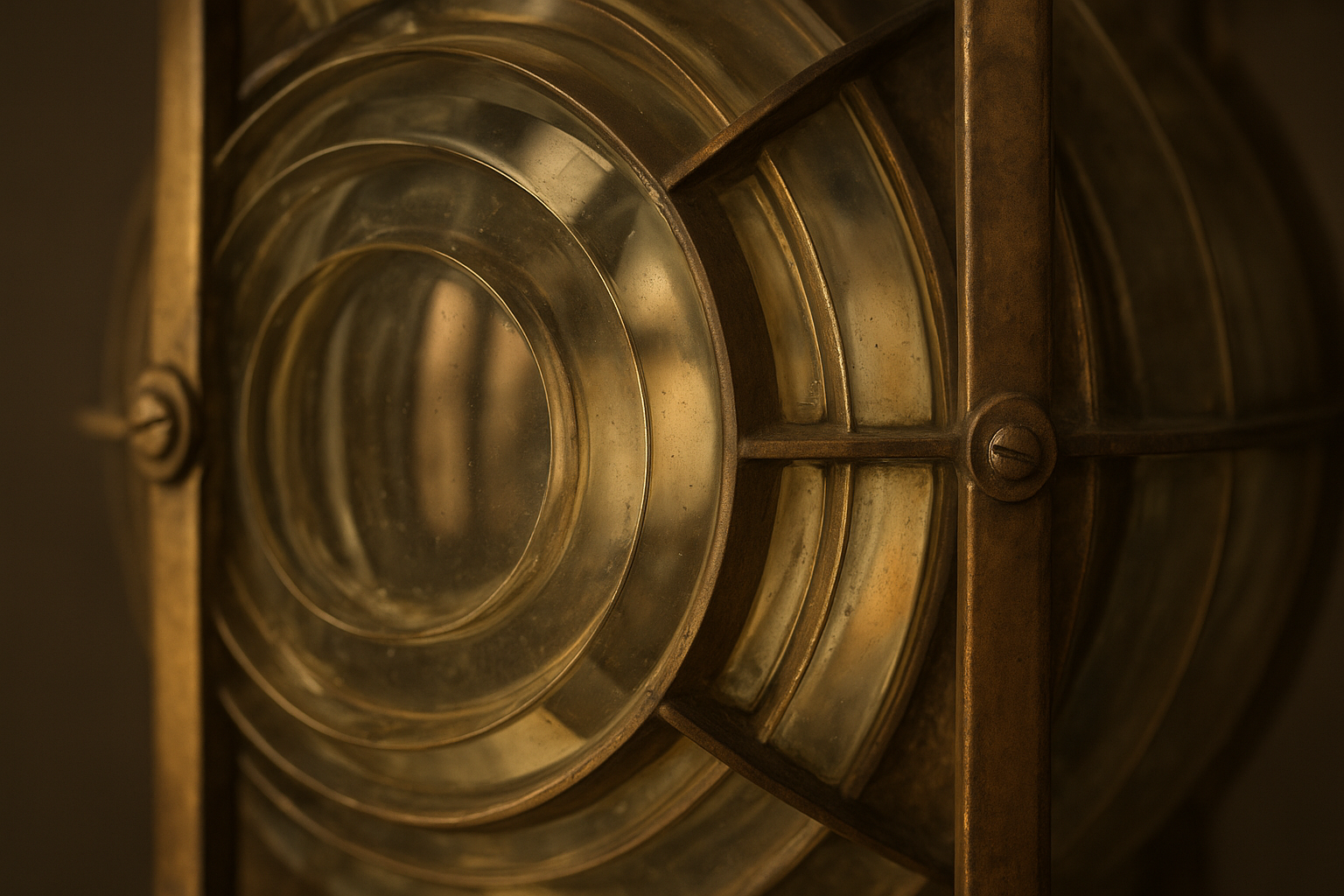
1860s–1880s
Imported Fresnel optics intensified beams, making night passage safer through fog-prone channels.
1900s–1930s
Families, supply crews, and signal logs linked remote towers to nearby working harbors.
1950s–1970s
Electric beacons and remote controls gradually replaced daily manual lamp and fog-signal routines.
1980s–Today
Historical societies stabilized surviving towers and opened archives, tours, and restoration records.